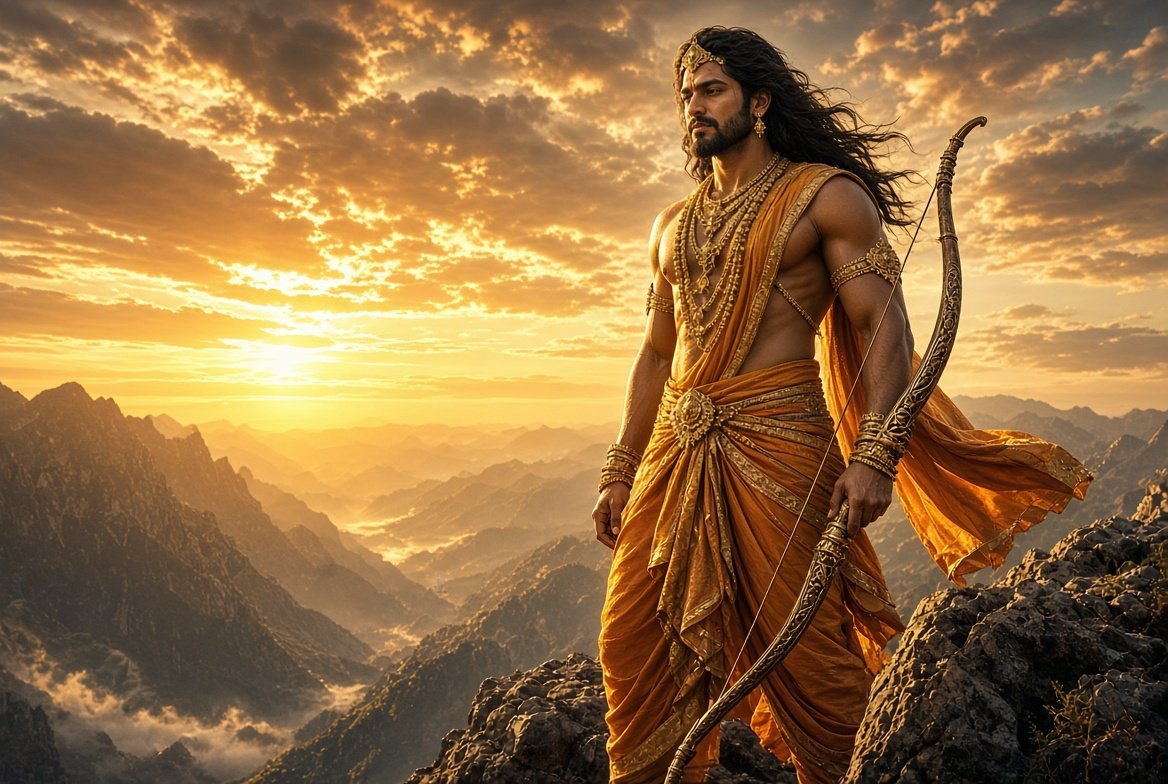
In recent years Bollywood has returned again and again to its oldest stories. Mythological and historical epics that once lived mainly on television screens are now being mounted with the scale and technical ambition once reserved for Hollywood franchises. The most visible example of this shift is Nitesh Tiwari’s Ramayana: Part 1, starring Ranbir Kapoor as Rama and Yash as Ravana. The film has become a major talking point not only for its collections but for what it reveals about changing audience expectations.
People searching for information about the film are rarely looking only for daily box-office figures. They want to understand why a story they already know continues to draw them into theatres, how the makers approached the material, and what the success means for the future of big-budget Indian cinema. This article examines those deeper questions.
The Enduring Power of Familiar Stories
The Ramayana is not simply a plot. For millions of viewers it is a moral and cultural reference point. Themes of duty, exile, loyalty, and the consequences of ego remain relevant across generations. When a film treats this material with seriousness rather than treating it as pure spectacle, audiences respond with unusual loyalty.
Earlier attempts at large-scale mythological cinema sometimes struggled because the visuals felt incomplete or the storytelling leaned too heavily on dialogue. Modern productions have closed that gap. Advanced visual effects, carefully designed sets, and thoughtful performances allow the familiar narrative to feel fresh without losing its emotional core. Viewers who grew up with the television versions now experience the same story with a sense of grandeur that was previously impossible on Indian screens.
This combination of cultural familiarity and technical ambition explains much of the sustained interest. People do not need extensive plot explanations. They already know the journey. What they seek is a version that feels worthy of the source.
Craft and Ambition Behind the Scale
Ramayana: Part 1 is directed by Nitesh Tiwari, known for grounded human stories such as Dangal. His decision to take on an epic of this size marked a clear change in approach. The production brought together Namit Malhotra’s Prime Focus Studios and Yash’s Monster Mind Creations, with visual effects handled by DNEG. Music came from the unlikely but effective pairing of A.R. Rahman and Hans Zimmer.
The casting itself reflects a pan-India strategy. Ranbir Kapoor brings restraint and quiet dignity to Rama. Sai Pallavi portrays Sita with understated strength. Yash’s Hindi debut as Ravana has drawn particular attention; many viewers and reviewers have noted that the antagonist often dominates the frame through intensity and physical presence. Supporting roles, including Ravi Dubey as Lakshmana and Arun Govil as Dasharatha, add further layers of recognition and texture.
These choices matter because large-scale films succeed or fail on more than budget. Audiences can sense when the makers respect the material. The combination of strong central performances, detailed production design, and ambitious visual sequences has given the film a sense of event status that pure star vehicles sometimes lack.
For those tracking how such films perform commercially, regular updates appear in our box office coverage, where collection patterns of major releases are examined in detail.
What Audiences Are Actually Searching For
Search behaviour around the film shows clear patterns. Beyond basic box-office queries, people look for:
- Analysis of performances, especially the contrast between Rama’s restraint and Ravana’s intensity
- Discussion of the visual sequences that work best on the big screen
- Context about how the film fits into the larger history of Indian mythological cinema
- Expectations for the second part
This is different from the short-term curiosity that surrounds many mainstream releases. The interest has a longer tail because the story itself carries cultural weight. Viewers return for second and third viewings, discuss specific moments, and debate artistic choices. That kind of engagement is valuable for any film and rare for purely commercial projects.
The same pattern can be seen with other carefully mounted big films. When craft and cultural resonance align, the conversation continues well beyond the opening weekend.
Broader Lessons for Bollywood
The performance of Ramayana: Part 1 offers several useful signals for the industry.
First, scale alone is no longer enough. Audiences have seen enough big-budget films to recognise the difference between expensive and thoughtfully expensive. Visual effects must serve the story rather than exist for their own sake.
Second, pan-India casting and multilingual releases are becoming standard rather than experimental. A film that travels strongly across language markets gains both commercial strength and cultural reach.
Third, theatrical exhibition still holds unique power for certain kinds of cinema. Mythological epics, in particular, benefit from collective viewing. The shared experience of large-scale sequences cannot be fully replicated on smaller screens.
These lessons are already influencing upcoming projects. Family entertainers and star-driven dramas continue to release, of course, but the bar for epic storytelling has clearly risen. Readers interested in the next wave of Bollywood releases can follow updates such as our coverage of Yeh Prem Mol Liya, which represents a different but equally important strand of mainstream cinema.
Looking Beyond the Numbers
Box-office milestones will continue to be reported and debated. Yet the more lasting impact of a film like Ramayana lies in the standard it sets. It demonstrates that Indian cinema can still gather diverse audiences around a shared cultural narrative when the execution matches the ambition.
It also reminds us that audiences are not passive. They actively search for context, comparison, and meaning. They want to understand why a particular film resonates and what it says about the current state of the industry. Sites that provide clear, thoughtful analysis rather than pure headline chasing meet that need more effectively.
For anyone trying to decide whether a film deserves a theatrical visit, practical questions about ratings and availability also matter. Guides such as our explanation of movie age ratings across India and the US help viewers make informed choices.
Conclusion
Mythological epics are not a temporary trend. They represent a return to stories that have always held deep emotional and cultural power, now presented with the technical resources to match their scale. Ramayana: Part 1 stands as the clearest recent example of this approach succeeding with both audiences and the trade.
Its strength lies in the careful balance of respect for the source material, strong central performances, and production values that reward the big-screen experience. As Bollywood continues to experiment with large-format storytelling, the lessons from this film will remain relevant long after the daily collection updates have moved on.
The real measure of success is not only how much money a film earns in its first few weeks, but how long it stays in the conversation and how clearly it raises the standard for what comes next. On that measure, the current wave of carefully crafted mythological cinema is already leaving a mark.